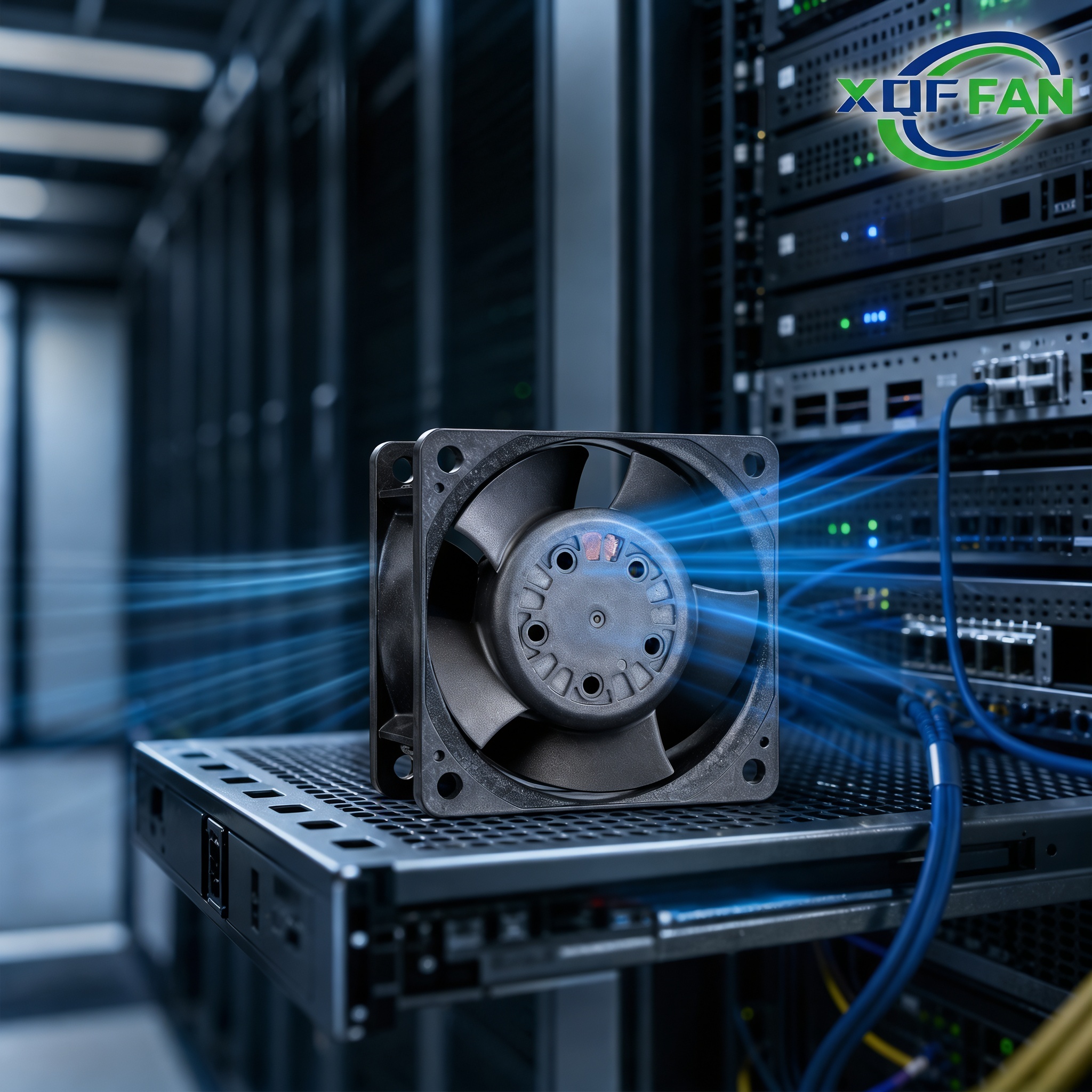
what is a dc fan
author: Rainie
2025-03-25
What is a DC Fan?
In the world of electronics and cooling systems, the DC fan plays a pivotal role. But what exactly is a DC fan? Let's take a deep dive into its details.
Definition and Basics
A DC fan, short for Direct Current fan, is a cooling device that operates on direct current power. Unlike AC (Alternating Current) fans which rely on the constantly changing direction of the electrical current, DC fans receive a steady flow of electricity. This fundamental difference in power source has a significant impact on their performance and functionality.
Working Principle
The working principle of a DC fan is relatively straightforward. At its core, there is a motor. When direct current is supplied to the motor, it creates a magnetic field. This magnetic field interacts with the permanent magnets within the motor, causing the motor shaft to rotate. Attached to this shaft are the impeller blades. As the shaft rotates, the blades spin, generating a flow of air. This airflow is then used to cool various components.
For example, in a computer, the DC fan is used to cool the CPU. The hot air around the CPU is drawn in by the spinning blades of the fan and expelled out of the computer case, thus preventing the CPU from overheating.
Components of a DC Fan
- Motor: As mentioned earlier, the motor is the heart of the DC fan. It converts electrical energy from the DC power source into mechanical energy to drive the rotation of the blades. There are two main types of motors used in DC fans - brushed and brushless. Brushless motors are becoming increasingly popular due to their longer lifespan, higher efficiency, and quieter operation.
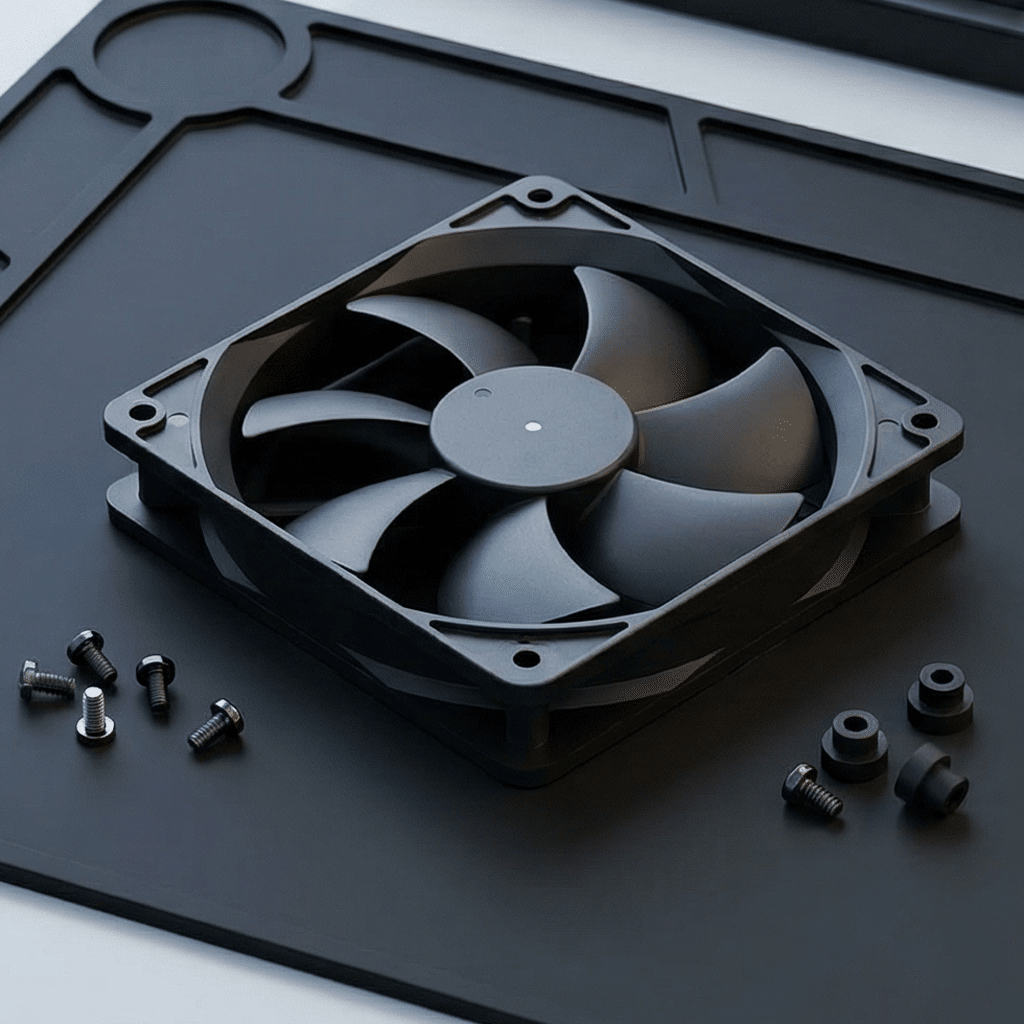
- Impeller Blades: These are the parts that actually move the air. The design of the impeller blades, including their shape, number, and angle, affects the amount of air the fan can move (airflow) and the pressure it can generate (static pressure). Different applications require different blade designs. For instance, fans used in high - performance computer cooling may have blades designed to generate high airflow at relatively low noise levels.
- Housing: The housing serves several purposes. It encloses the motor and impeller, protecting them from external elements. It also helps in directing the airflow in a specific direction. In some cases, the housing may also have features like mounting holes or brackets to make it easier to install the fan in a particular device or system.
Advantages of DC Fans
- Energy Efficiency: One of the most significant advantages of DC fans is their energy - efficient operation. Since they can operate at variable speeds according to the cooling requirements, they consume less power compared to traditional AC fans which usually run at a fixed speed. For example, in a data center, where thousands of servers need to be cooled, using DC fans can result in substantial energy savings over time.
- Precise Speed Control: DC fans often come with features like Pulse Width Modulation (PWM). PWM allows for precise control of the fan speed. By varying the width of the electrical pulses sent to the motor, the fan can adjust its speed to match the temperature of the component it is cooling. This not only improves cooling efficiency but also helps in reducing noise, as the fan doesn't have to run at full speed all the time.
- Quiet Operation: Thanks to advancements in motor technology, especially the use of brushless motors and better - designed impeller blades, DC fans can operate much more quietly than their AC counterparts. This makes them ideal for applications where noise is a concern, such as in home entertainment systems or quiet office environments.
- Longer Lifespan: The absence of brushes in brushless DC motors means there is less wear and tear. This results in a longer lifespan for the fan. In industrial applications where equipment needs to run continuously for long periods, the longer lifespan of DC fans reduces maintenance costs and downtime.
Applications of DC Fans
- Electronics Cooling: In personal computers, laptops, servers, and other electronic devices, DC fans are used to cool components like CPUs, GPUs, power supplies, and hard drives. They ensure that these components operate within a safe temperature range, preventing performance degradation and potential hardware failures.
- Automotive Industry: DC fans are used in cars for various purposes. They cool the engine, battery, and other electrical components. In electric vehicles, they are crucial for cooling the battery pack, as maintaining the right temperature for the batteries is essential for their performance and lifespan.
- Telecommunications: In telecom equipment such as routers, switches, and base stations, DC fans help in dissipating the heat generated during operation. This ensures the reliable functioning of these devices, which are critical for communication networks.
- Home Appliances: Many home appliances like televisions, soundbars, and some types of refrigerators use DC fans to improve cooling performance. For example, in a high - end television, a DC fan may be used to cool the internal electronics, especially in models with high - power components for better picture quality.
- Industrial Control Equipment: In automated production lines, robots, and control panels, DC fans play a vital role in keeping the equipment cool. These industrial devices often generate a lot of heat during operation, and DC fans help in maintaining an optimal temperature, avoiding performance degradation and reducing the risk of malfunction due to overheating.
Shenzhen Xinqifeng Technology Co., Ltd. and DC Fans
Shenzhen Xinqifeng Technology Co., Ltd. is actively involved in the field related to DC fans. The company is dedicated to researching, developing, and manufacturing high - quality cooling solutions, including DC fans. Their products are designed to meet the diverse needs of different industries.
They focus on innovation in motor technology, blade design, and overall fan construction. By leveraging advanced manufacturing techniques and strict quality control processes, Shenzhen Xinqifeng Technology Co., Ltd. produces DC fans that are not only energy - efficient and reliable but also offer excellent cooling performance. Their products find applications in a wide range of sectors, from electronics and telecommunications to industrial and automotive, contributing to the proper functioning and longevity of various devices and systems.
In conclusion, DC fans are an essential part of modern technology. Their unique features, advantages, and wide range of applications make them a crucial component in ensuring the efficient operation of numerous devices. Companies like Shenzhen Xinqifeng Technology Co., Ltd. are driving the innovation and development in this field, providing better cooling solutions for the future.
AC/DC Cooling Fans: In - depth Analysis and Selection Guide for the Southeast Asian Market
Cooling Fans: The Invisible Guardians for Stable Equipment Operation in Multiple Fields
Related Article
hoose a cooling fan at the operating point where its published performance curve meets the resistance of the finished equipment—not at the fan’s maximum free-air CFM.
How Do You Choose a Cooling Fan by Static Pressure and Airflow

Set cooling fan airflow so cool supply air reaches the highest-heat components first and hot air exits without returning to the intake. Verify the airflow arrow molded on the fan frame, not the visible blade shape.
How Do You Set Cooling Fan Airflow Direction in Electronic Equipment?

An axial fan is usually better for moving a large volume of air through a low-resistance enclosure, while a centrifugal blower is usually better when air must pass through dense heat sinks, filters, narrow ducts or other high-resistance components.
Axial Fan vs Centrifugal Blower- Which Is Better for Electronics Cooling