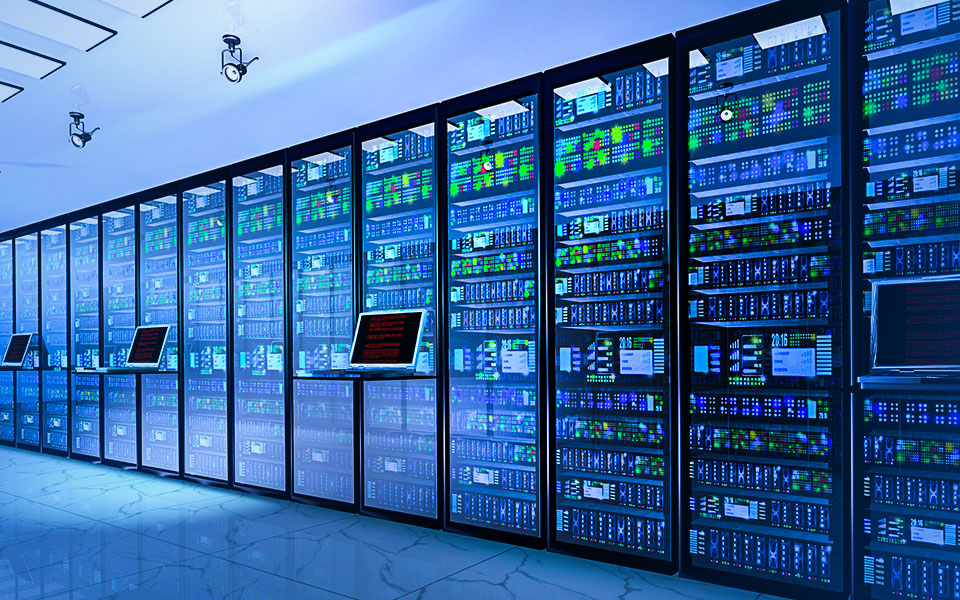
The Key to Safe Operation of Energy Storage Cabinets: How to Choose High-Temperature Resistant, Long-Life Cooling Fans?
Published on January 2, 2026
Abstract: As thermal runaway risks in battery energy storage systems (BESS) draw increasing regulatory and operational attention, cooling fans—often overlooked—have emerged as critical components in thermal management. This article explains why standard fans fall short in energy storage applications and provides a practical guide to selecting industrial-grade, high-temperature resistant, long-life cooling fans that ensure 24/7 system reliability and safety.
1. Why Are Energy Storage Cabinets So Demanding on Cooling Fans?
Energy storage cabinets—especially those housing lithium-ion battery packs—operate under uniquely harsh conditions:
- Extreme ambient temperatures: Internal cabinet temperatures can exceed 60°C (140°F) in summer, especially in outdoor or semi-outdoor installations.
- Continuous operation: Fans must run 24/7, 365 days a year, with zero tolerance for downtime.
- Zero-failure safety requirement: A single fan failure can trigger localized overheating, potentially leading to thermal runaway, fire, or system shutdown.
⚠️ Industry data shows: Over 35% of BESS failures are linked to inadequate thermal management, with fan degradation or premature failure being a leading cause.
Thus, consumer-grade or general-purpose fans simply cannot meet these demands. Industrial-grade, high-reliability cooling fans designed specifically for energy storage are non-negotiable.
2. Five Critical Specifications for Fan Selection
1. Operating Temperature Range
Minimum acceptable: -20°C to +70°C
Recommended for BESS: -30°C to +85°C (covers extreme climates)
Tip: Request high-temperature aging test reports from suppliers to verify stable performance at 85°C.
2. MTBF (Mean Time Between Failures)
Standard DC fans: ~30,000 hours (~3.4 years)
Industrial-grade fans for energy storage: ≥70,000 hours (8+ years); premium EC fans can reach 100,000 hours.
3. Ingress Protection (IP Rating)
For outdoor/semi-outdoor cabinets: IP55 minimum
In dusty, coastal, or high-humidity environments (e.g., near oceans): IP67 or IP68 is strongly advised.
4. Bearing Type
Dual Ball Bearings: Superior heat resistance and longevity under continuous load.
Avoid sleeve bearings—they dry out quickly at elevated temperatures, leading to early failure.
5. Airflow vs. Static Pressure
Energy storage cabinets have complex internal airflow paths with filters and tight battery module spacing.
High static pressure fans (≥10 mmH₂O) are essential to overcome system resistance.
Always validate performance using CFD simulation or real-world testing—not just datasheet specs.
3. Technology Choice: DC vs. EC Fans?
| Feature | Standard DC Fan | EC (Electronically Commutated) Fan (Recommended) |
|---|---|---|
| Energy Efficiency | Moderate | 20–30% more efficient; supports PWM speed control |
| Lifespan | 30,000–50,000 hours | 70,000–100,000+ hours |
| Thermal Response | Fixed speed | Intelligent speed control based on real-time temperature |
| Noise & Wear | Constant noise; higher mechanical wear | Lower noise at partial load; reduced wear |
| TCO (Total Cost of Ownership) | Lower upfront cost | Lower lifetime cost due to energy savings and reliability |
✅ Recommendation: For new or upgraded BESS projects, EC fans with smart speed control are the optimal choice—balancing safety, efficiency, and operational expenditure.
4. Procurement Pitfalls to Avoid: 3 Must-Verify Checks
- Beware of inflated specs
Demand third-party test reports (e.g., UL, TÜV) for high-temperature endurance and lifespan validation. - Validate real-world performance
Don’t rely solely on lab-rated airflow. Ask for performance curves at 60°C+ ambient conditions. - Assess supply chain resilience
Partner with manufacturers offering in-house production, local technical support, and stable lead times—critical for large-scale deployments.
5. Case Study: Fan Upgrade in a 100MWh Grid-Scale BESS Project
- Challenge: Original DC fans failed at a 40% annual replacement rate; frequent high-temp alarms in summer.
- Solution: Replaced with IP67-rated, 85°C-capable EC fans (MTBF: 80,000 hours) with intelligent thermal control.
- Results:
- 90% reduction in fan-related failures
- 0.03 improvement in system PUE
- Annual O&M savings: >$17,000 USD
Conclusion: Small Component, Mission-Critical Role
As the energy storage industry shifts toward higher safety standards, longer lifespans, and smarter operations, the cooling fan is no longer a “replaceable commodity”—it’s a strategic safety component. Choosing the right fan isn’t just about cooling; it’s about protecting your entire energy asset.
Explore Further:
5 Key Specifications for High-Reliability Cooling Fans
2026 Cooling Fan Procurement Decision Guide: Complete Framework from Specification Comparison to Supplier Evaluation
Related Article