Unveiling the World of Cooling Fans
Unveiling the World of Cooling Fans: Frequently Asked Questions Answered
In the realm of temperature regulation and air circulation, cooling fans play a pivotal role. Whether you're a tech enthusiast looking to optimize your PC's performance or simply seeking a more comfortable living environment, understanding cooling fans is essential. In this blog post, we'll address some of the most common questions related to cooling fans to help you make informed decisions.

What is a Cooling Fan?
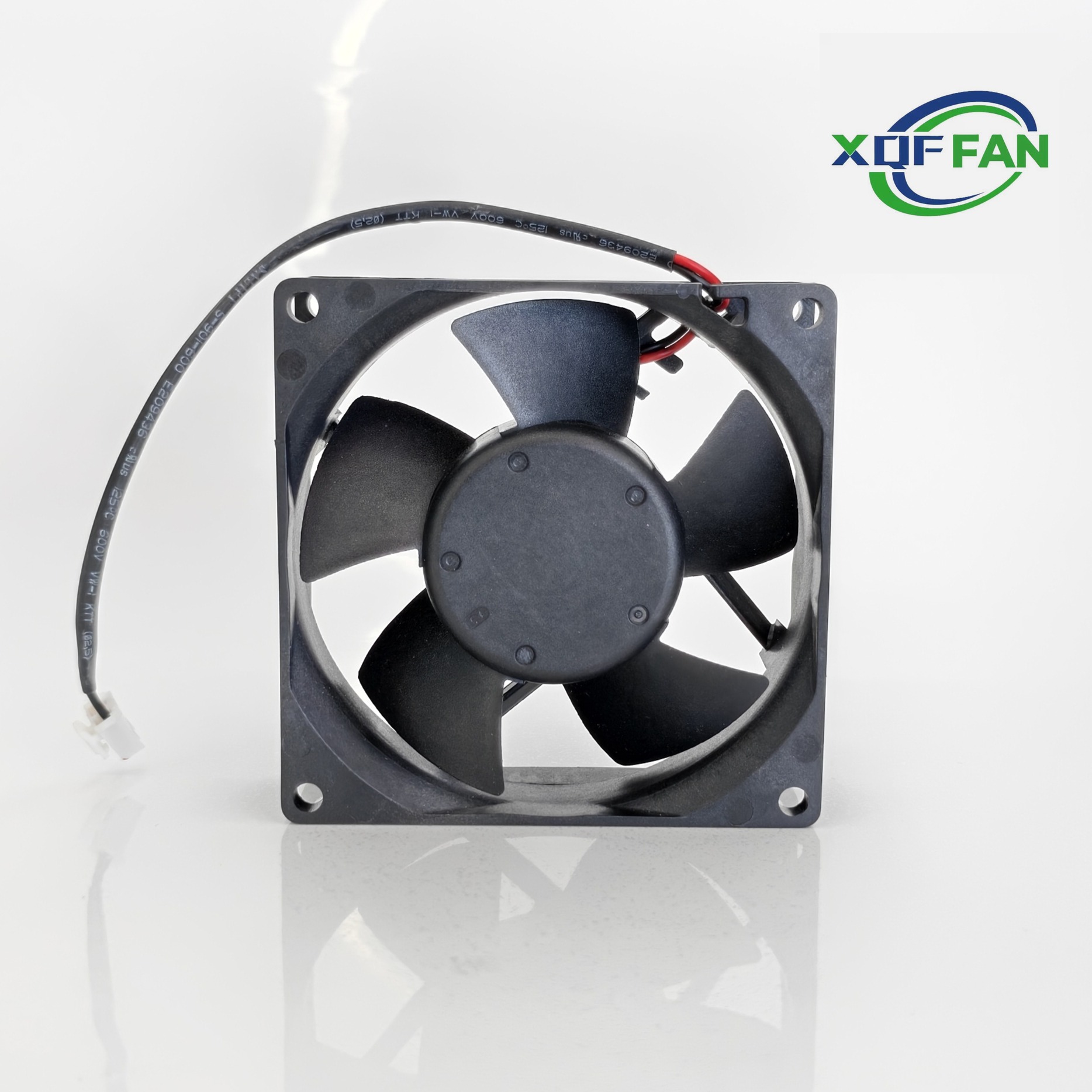
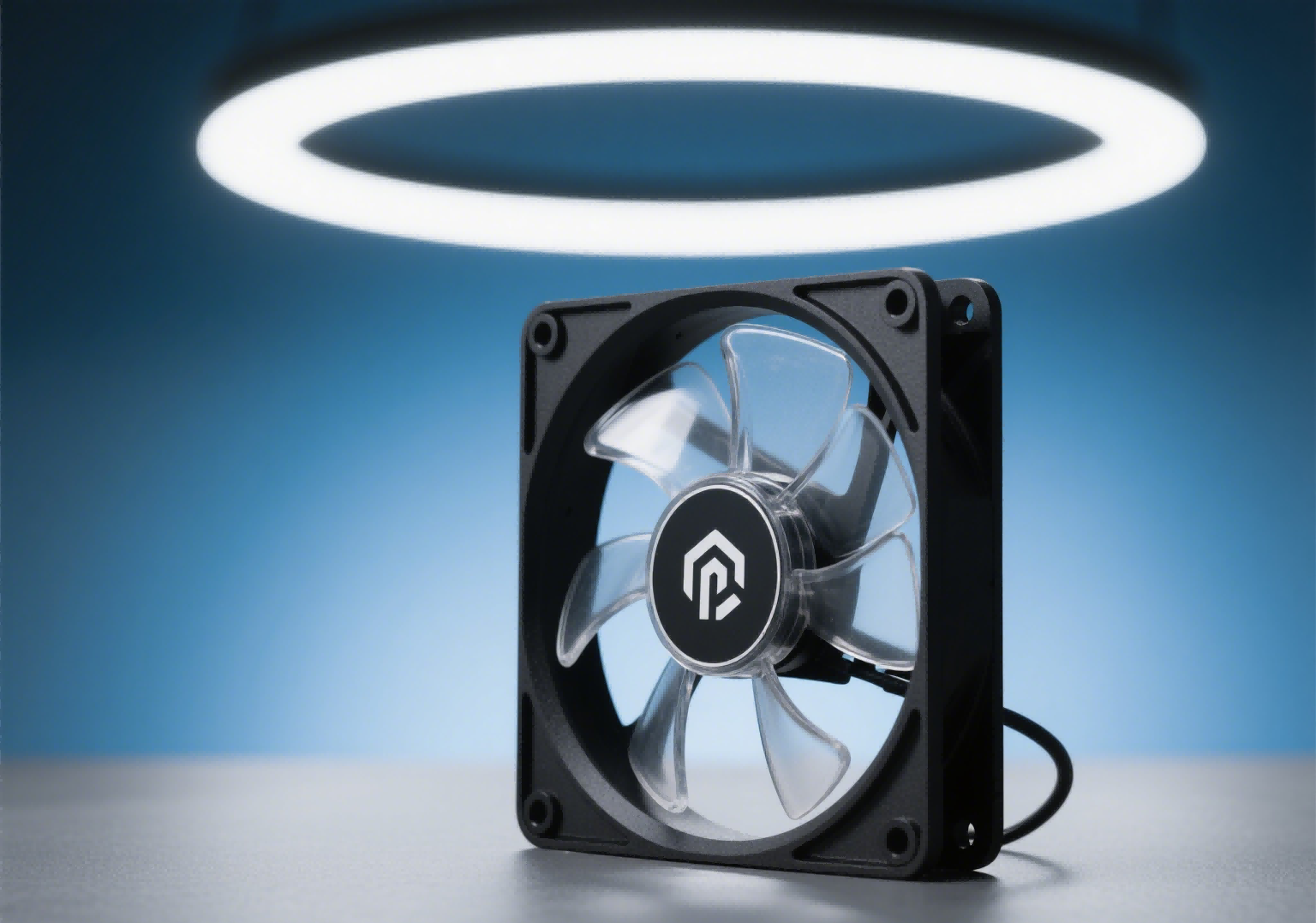
A cooling fan is a device designed to move air and dissipate heat. It consists of a motor, blades, and a housing. The motor powers the blades to rotate, creating airflow that helps to lower the temperature of the surrounding area or the object it's attached to. Cooling fans are used in a wide variety of applications, from cooling computer components like CPUs and GPUs to keeping rooms in your home or office comfortable.
A/C Cooling Fan, A Cooling Fan, and A C Cooling Fan: What's the Difference?
You might have come across these terms and wondered if there's a distinction. In essence, they all refer to fans used for cooling purposes. "A/C cooling fan" typically refers to a fan that's part of an air - conditioning system, helping to circulate air over the condenser or evaporator coils. "A cooling fan" is a more general term that can apply to any fan used for cooling, while "A C cooling fan" is likely just a variation in spelling or abbreviation of "air conditioning cooling fan". They all serve the common goal of heat dissipation through air movement.
A C Fan to Cooling: How Does It Work?
When we talk about an "A C fan to cooling", it might refer to repurposing or using an air - conditioning fan in a different cooling setup. Air - conditioning fans are designed to move large volumes of air. In a non - traditional cooling context, it could be used to direct cool air to a specific area. For example, if you have a room that gets particularly hot, you could use an A/C fan to draw in cooler air from another part of the building and circulate it.
How to Make a Cooling Fan?
Making your own cooling fan can be a fun and rewarding DIY project. Here's a basic step - by - step guide:
- Gather Materials: You'll need a small electric motor, some lightweight materials for the blades (like cardboard or plastic), a power source (such as a battery), and a housing (you can use a cardboard box or 3D - print one).
- Construct the Blades: Cut out blade shapes from your chosen material. Make sure they are evenly sized and balanced. Attach them to the motor shaft.
- Build the Housing: Create a housing that will hold the motor and protect the blades. Make sure there are openings for air to flow in and out.
- Connect the Power: Connect the motor to the power source. Test the fan to see if it spins properly.
What is the Difference Between Industrial Fan and Commercial Fan
Unveiling the World of DC Fans: Frequently Asked Questions Answered
Related Article