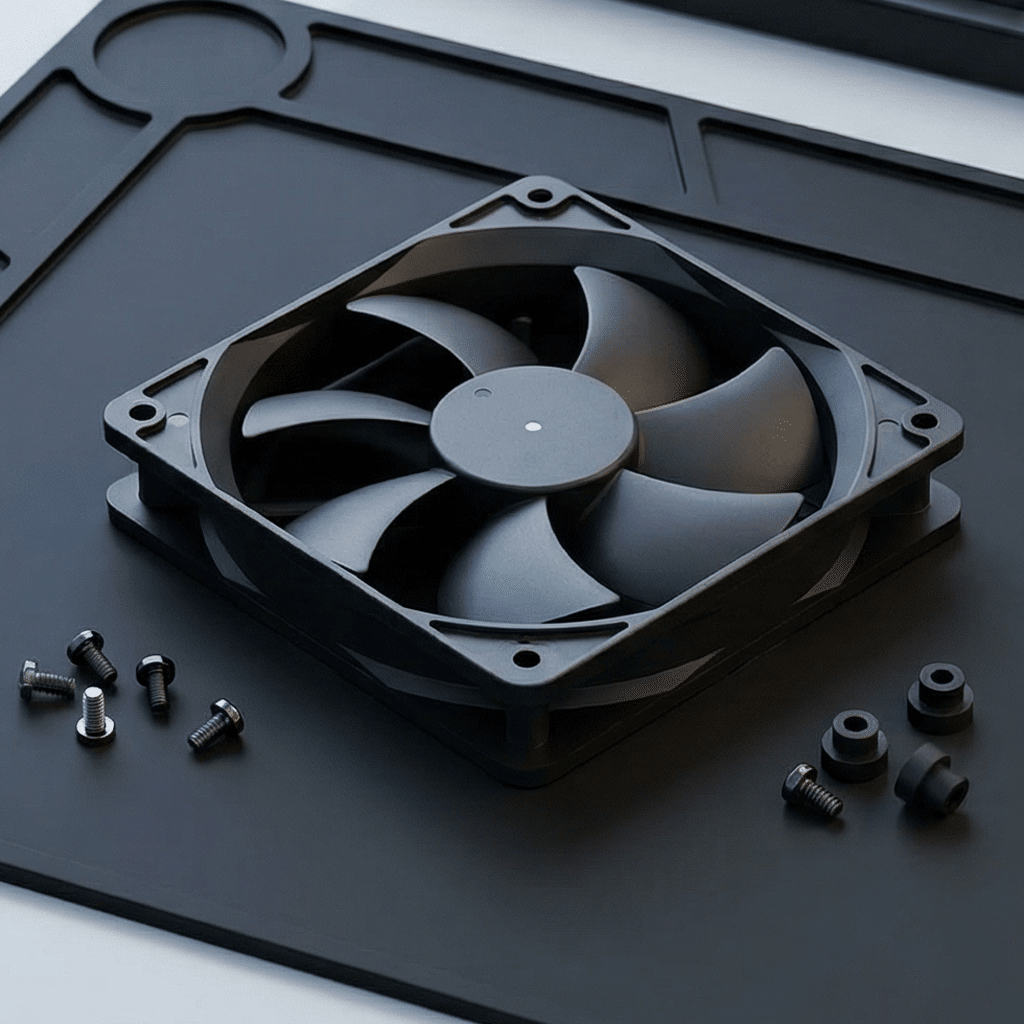
How Inflation & Tariffs Are Reshaping the Fan Supply Chain in 2026
How Inflation & Tariffs Are Reshaping the Fan Supply Chain in 2026
Table of Contents
Publication Date: March 7, 2026 | Category: Supply Chain Insights
Introduction: The New Normal
The global fan manufacturing industry operates within a complex and interconnected supply chain, influenced by shifting market demands, material availability, and geopolitical factors . As we navigate 2026, two forces are fundamentally reshaping this landscape: persistent inflation and evolving tariff regimes. The global fans and blowers market, valued at approximately US$8.2 billion in 2024 and projected to reach US$10.8 billion by 2030, is experiencing significant turbulence . This report examines how these macroeconomic pressures are impacting costs, lead times, and sourcing strategies—and what buyers need to know to navigate the new environment.
1. The Inflation Factor: Rising Costs Across the Board
Inflation continues to affect every tier of the fan supply chain. Raw material costs—particularly for aluminum, steel, copper, and engineered polymers—remain elevated due to energy prices and global demand. According to industry analysis, aluminum tariffs alone can increase material costs by 10–15%, though long-term contracts and alternative sourcing can soften the effect .
Beyond materials, logistics costs have surged. Container shortages, fuel surcharges, and port congestion continue to inflate freight expenses, adding 15–30% to shipping costs compared to pre-pandemic levels. Labor shortages in manufacturing hubs and transportation sectors further compound these pressures, extending lead times and reducing production flexibility .
The cumulative effect is significant: industrial and commercial users are facing higher equipment prices and extended project payback periods for HVAC and industrial ventilation installations . For a typical large-scale project, these cost increases can delay replacement cycles in mining, marine, and industrial facilities .
2. Tariffs: A Direct Hit on Fan Components
The outlook for the fans and blowers market is being significantly affected by rapid changes in trade relations and tariffs globally . Tariffs are influencing the market by increasing costs of imported components across multiple fan categories.
2.1 Key Components Affected
| Component | Tariff Impact | Market Segment Most Affected |
|---|---|---|
| Electric Motors | Higher costs for imported motors, especially high-efficiency models | Industrial fans, HVAC systems, axial fans |
| Steel Housings & Frames | Increased costs due to steel tariffs | All fan types, particularly large cooling fans |
| Aluminum Blades | Tariffs on aluminum raise blade costs | Axial fans, centrifugal fans, portable fans |
| Bearings | Higher import costs for precision bearings | Industrial and high-performance fans |
| Electronic Controllers | Tariffs on PCBs and control modules | Smart fans, variable speed drives, EC motors |
| Impellers | Increased cost for imported impeller assemblies | Centrifugal fans, blowers |
Industrial and commercial users in North America and Europe are most affected due to their dependence on imported high-efficiency motors, drives, and components . Meanwhile, Asia-Pacific manufacturers face export competitiveness challenges as tariffs raise prices for their products in Western markets.
3. Regional Impact: Who's Affected Most?
The impact of tariffs and inflation varies significantly by region:
North America & Europe
These regions face the highest impact due to reliance on imported raw materials and motor components . HVAC, industrial, and power generation applications are particularly affected. Tariffs are raising manufacturing costs and end-user pricing, delaying equipment upgrades and new installations .
Asia-Pacific
As the largest manufacturing hub for fans and components, Asia-Pacific faces pressure on export-oriented production. While domestic markets continue growing, exporters must navigate complex tariff regimes and maintain competitiveness despite higher input costs.
Emerging Markets
Developing economies like India, Brazil, and Vietnam are seeing increased infrastructure investments, creating demand for cost-effective ventilation solutions. However, they too face import cost pressures for high-efficiency components.
4. Supply Chain Reconfigurations & Opportunities
While tariffs and inflation pose significant challenges, they are also catalyzing positive structural changes in the industry:
4.1 Domestic Production & Regional Assembly
Tariffs are encouraging domestic motor production and regional assembly of fan systems . Manufacturers are investing in local manufacturing capabilities to reduce reliance on imports and mitigate tariff exposure. For example, acquisitions like Fairbanks Morse Defense's purchase of American Fan in 2023 reflect this trend toward vertical integration and domestic capacity building.
4.2 Innovation in Cost-Efficient Technologies
The pressure to control costs while maintaining performance is driving innovation in energy-optimized airflow technologies. Manufacturers are developing:
- More efficient BLDC and EC motor designs that offset higher component costs through energy savings
- Lightweight composite materials that reduce material costs and improve performance
- Smart controls that optimize fan operation and reduce total cost of ownership
4.3 Supplier Diversification
Forward-thinking manufacturers are implementing dual-sourcing strategies, mitigating regional disruptions by working with suppliers across multiple geographies. This geographic diversity provides resilience against localized tariff impacts or trade policy changes.
5. Strategies for Buyers in 2026
Given this complex landscape, how can buyers navigate the fan supply chain effectively?
5.1 Strategic Sourcing
- Dual sourcing: Work with suppliers in multiple regions to hedge against trade policy volatility.
- Long-term contracts: Negotiate multi-year agreements with fixed pricing or price adjustment formulas tied to transparent indices.
- Supplier auditing: Verify supplier certifications (ISO 9001, IATF 16949) and traceability of material origins.
5.2 Product Optimization
- Energy efficiency focus: Invest in BLDC and EC motor fans that deliver lower lifetime costs despite higher upfront prices.
- Material alternatives: Explore composite or polymer options where appropriate to reduce metal cost exposure.
- Right-sizing: Avoid over-specifying; match fan performance precisely to application requirements to minimize cost.
5.3 Supply Chain Intelligence
- Monitor trade policy: Stay informed about tariff changes in key markets (US, EU, China).
- Track material indices: Follow aluminum, steel, and copper prices to time purchases strategically.
- Build partnerships: Develop deep relationships with manufacturers who have transparent supply chains and diversified sourcing.
Despite the challenges, the global fans and blowers market continues growing, driven by energy efficiency regulations, industrial automation, and demand for smart ventilation solutions. The key is partnering with suppliers who can navigate these complexities while delivering quality, reliability, and value.
Frequently Asked Questions (FAQ)
How are tariffs affecting fan prices in 2026?
Tariffs on imported motors, steel housings, aluminum blades, bearings, and electronic controllers are increasing manufacturing costs. Industrial and commercial users in North America and Europe are most affected due to reliance on imported components, leading to higher equipment prices and extended project payback periods.
Which fan components are most impacted by tariffs?
Key components affected include electric motors, steel housings, impellers, aluminum blades, bearings, and electronic speed control modules. These parts face significant tariff-induced cost increases across multiple fan categories.
How much have material costs increased due to inflation?
Aluminum tariffs alone can increase material costs by 10–15%, while steel and copper prices remain volatile. Shipping container shortages and fuel surcharges further inflate logistics expenses, compounding overall cost pressures.
What strategies can buyers use to mitigate tariff impacts?
Strategies include dual-sourcing from multiple regions, negotiating long-term contracts, exploring alternative materials, adopting energy-efficient BLDC designs to offset costs, and working with suppliers who have diversified manufacturing footprints.
Are there any positive outcomes from current trade policies?
Yes, tariffs are encouraging domestic motor production, regional assembly of fan systems, innovation in cost-efficient technologies, and development of energy-optimized airflow solutions that can command premium pricing despite higher costs.
Looking for a reliable partner for your next fan project? Contact our sales team.
BLDC Eco Series
Up to 65% energy savings, offsetting tariff costs through long-term operational efficiency. Ideal for cost-conscious buyers.
View Product →Modular Axial Fan
Configurable design allows material substitutions and component sourcing flexibility to adapt to tariff changes.
View Product →Industrial Centrifugal Blower
Manufactured with diversified supply chain, offering stable pricing and reliable lead times despite global volatility.
View Product →Copper vs. Steel: How 2026 Raw Material Prices Are Reshaping DC & AC Fan Cost Structures
BLDC Technology Unveiled: Why It’s the Core of Modern Fans
Related Article